Short answer
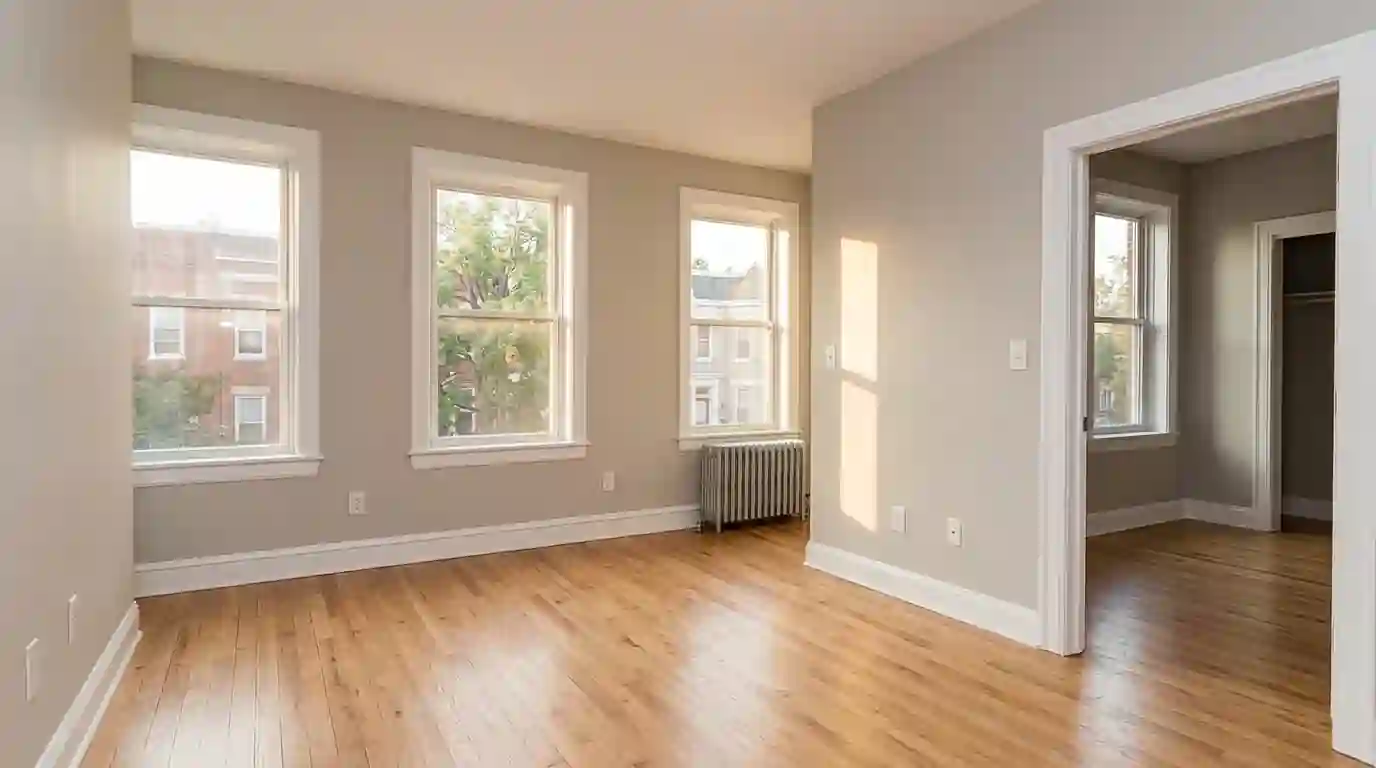
Rental turnover painting is a quick repaint between tenants: patching nail holes and damage, sealing stains, and painting walls, plus trim and doors where they need it, in a standard landlord color. We aim to finish most one-bedroom units in one to three days. In DC a one-bedroom turnover usually costs $1,450 to $2,900 depending on damage and scope.
From keys handed back to ready to show
Turnovers live on a tight calendar. This is how we get a unit painted without wasting days.
- Coat 01
Walk the unit at move-out
We meet you or your property manager right after the tenant leaves, or work from your photos if time is short. We note holes, stains, scuffs and anything beyond normal wear so you know the scope before we start.
- Coat 02
Patch everything in one pass
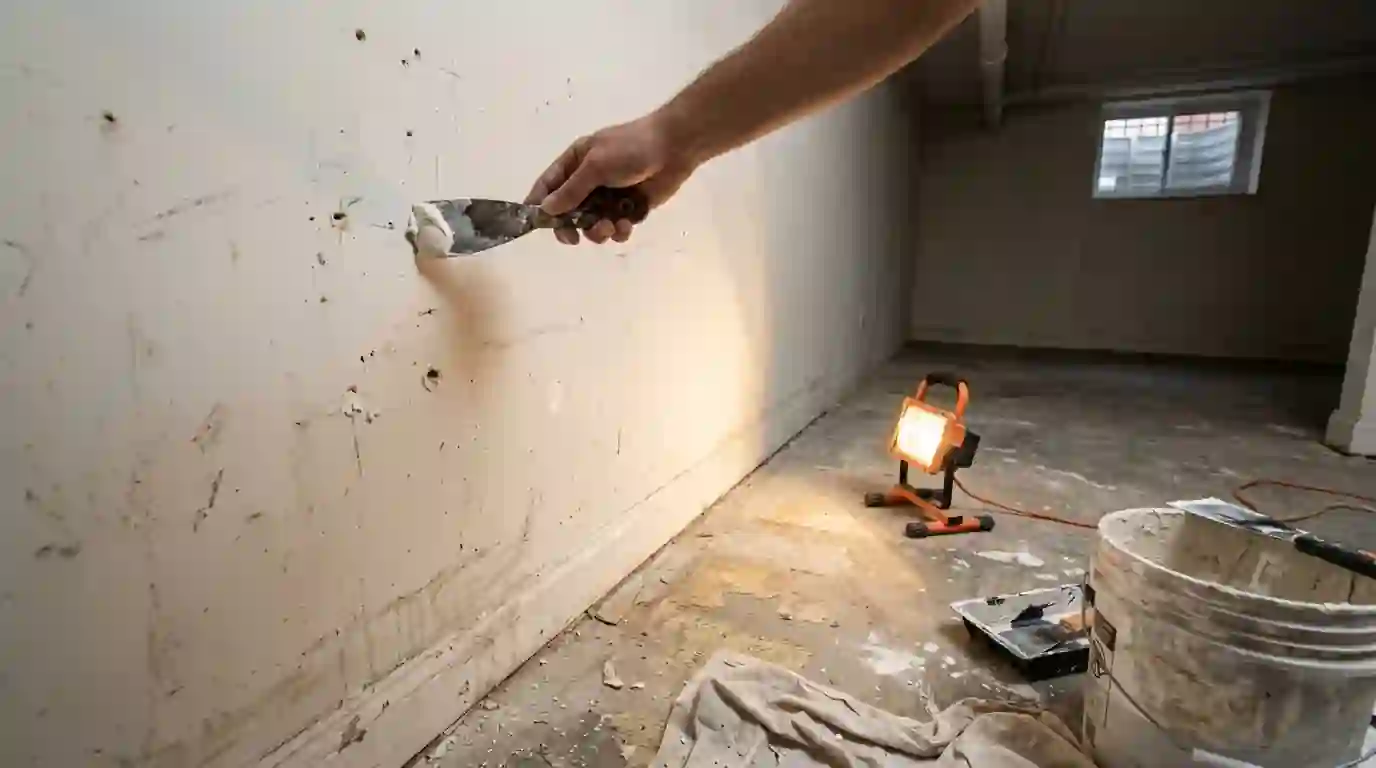
Nail holes, anchor holes and dents are filled across the whole unit in the first morning, using quick-setting compound. Bigger damage like doorknob holes gets mesh patches. Then we sand with dust extraction.
- Coat 03
Seal stains and odors
Smoke film, water rings, crayon and marker get a shellac primer so they won't bleed through. In units with smoke odor, we prime full walls and ceilings rather than just spots.
- Coat 04
Roll the standard color
Walls get one or two coats of your standard color, depending on how much of the old surface shows through. Using one house color across units means one coat often covers and touch-ups stay simple.
- Coat 05
Hit trim and doors where needed
Baseboards, doors and frames get cleaned and touched up, or fully painted where the damage is heavy. Kitchens and baths get a moisture-resistant finish.
- Coat 06
Final check and photos
We walk the unit, fix misses and send you photos of every room. Leftover paint is labeled with the room and color so your maintenance staff can touch up later.
What turnover painting usually fixes
Most rental wear follows the same patterns. Here's what we fix in nearly every unit.
Nail and anchor holes
Tenants hang art, shelves and TVs. Dozens of small holes are normal. We fill them all before painting so the walls look new, not patched.
Scuffs at furniture height
Couches, chairs and bed frames rub walls at the same height. These marks often can't be washed off flat paint, so a fresh coat is faster and looks better.
Kitchen grease and bathroom mildew
Cooking leaves a film near the stove, and poor ventilation leaves mildew on bathroom ceilings. Both need cleaning and the right primer before paint will stick.
Smoke and pet odors
Smoke stains and pet odors soak into drywall and plaster. Sealing primer locks in both, which is usually cheaper than replacing walls. For bigger damage see drywall repair.
DIY paint jobs by tenants
Tenants sometimes paint a bold accent wall without asking. We prime dark or bright colors with a high-hiding primer so your standard neutral covers evenly.
Turnover painting costs in DC
Turnover pricing depends on unit size, how much damage the last tenant left and whether trim and ceilings need painting too.
| Job | Typical range | What moves the price |
|---|---|---|
| Studio, walls only | $980 to $1,860 | Number of holes and stains, and color coverage |
| One-bedroom, walls and touch-up trim | $1,450 to $2,900 | Wall damage, kitchen and bath condition, and doors |
| Two-bedroom, walls and touch-up trim | $2,280 to $4,140 | Room count, closets and any smoke or pet sealing |
| Rowhouse rental, full interior | $3,640 to $7,260 | Number of floors, stairwell walls and basement unit |
| Smoke odor sealing, per room | $185 to $390 | Size of room and whether ceilings need sealing too |
| Small drywall patch | $165 to $340 | Size and whether texture needs matching |
These are typical ranges, not a quote; we confirm scope at move-out or from your photos.
Turnovers in DC rental housing
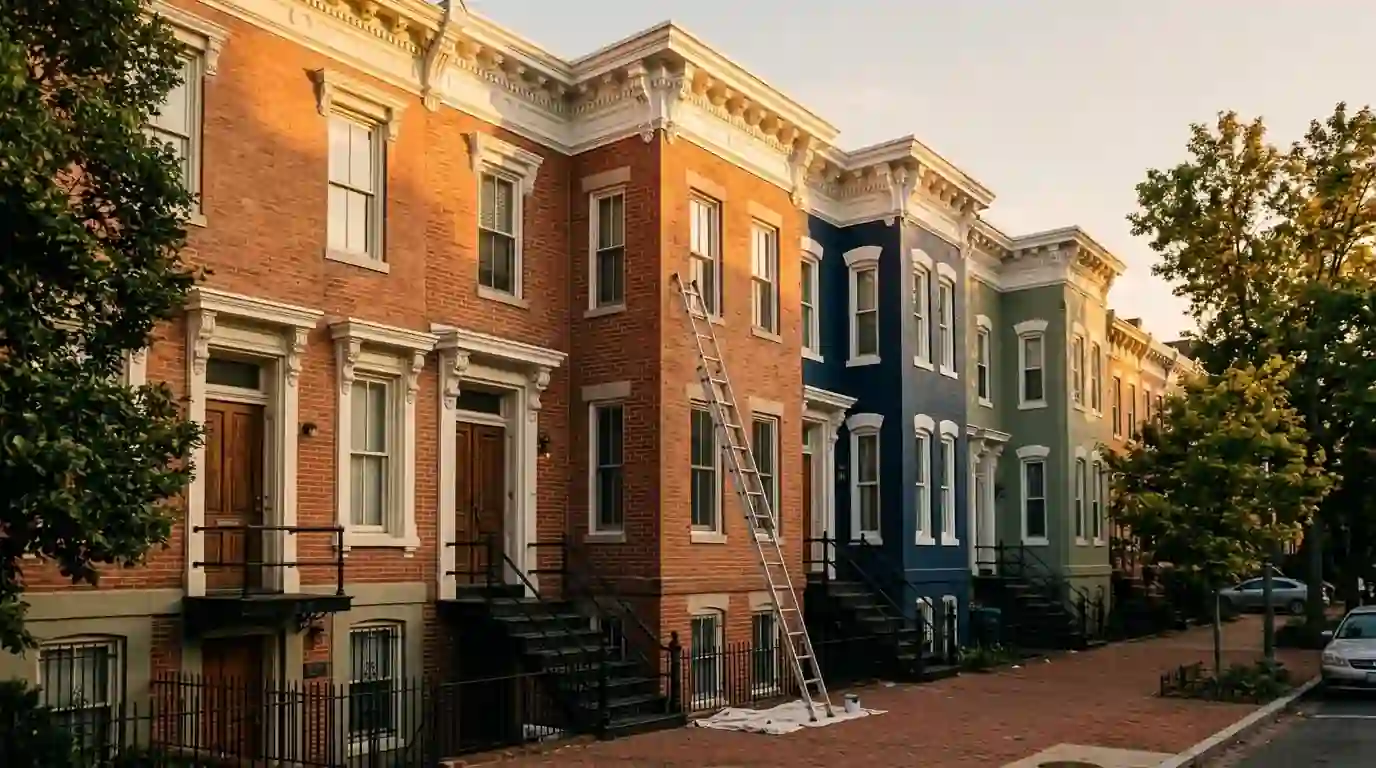
DC rentals come in every form: English basement units under rowhouses, two- and three-unit conversions in Petworth and Columbia Heights, older garden apartments and new buildings near Metro stations. Each has its own challenges. English basements tend to be damp, and their walls often need a moisture-resistant finish. Our basement painting work covers below-grade units with more serious moisture.
Many DC rental properties were built before 1978, which means lead paint may be present on trim, doors and windows. Rental housing has specific lead rules, and we follow EPA RRP lead-safe work practices whenever our prep will disturb painted surfaces in older units. That includes plastic containment, misting, HEPA cleanup and a final cleaning check. Our lead-safe painting page explains more.
Speed matters but quality pays back. A unit painted with a washable eggshell in a single house color is faster to turn over next time, because touch-ups blend and one coat often covers. We suggest a standard color and sheen for each of your properties and keep a record of it, so every turnover starts from the same base.
Paints and colors that make the next turnover faster
A good turnover sets up the next one. These choices help landlords and managers.
- Pick one warm neutral, such as a soft greige from Sherwin-Williams or Benjamin Moore, for all units.
- Use eggshell on walls so tenants can wipe marks without damaging the paint.
- Choose semi-gloss for trim and doors, which handles scuffs and cleaning better than flat.
- Use a moisture-resistant paint in bathrooms to slow mildew in units with weak exhaust fans.
- Keep a labeled gallon of each color in every unit for quick maintenance touch-ups.
- Seal any smoke or pet damage fully rather than spot priming, to avoid odor complaints from the next tenant.
For a unit you'll show this weekend, call (771) 247-4038 at any hour and we'll fit the job to your dates.
Where we do this work most often
We take this job across the District and close-in Maryland and Virginia. These are the neighborhoods and cities we cover most, with a ZIP for each.
Questions we hear about this
How quickly can you paint a rental unit between tenants in DC?
Most one-bedroom units take one to three working days, depending on damage. We can often start within a few days of your call, and we plan the order so patching, priming and painting overlap as much as drying allows. If you have a fixed listing or move-in date, tell us at the start and we'll schedule backward from it.
Do I need to repaint every room at every rental turnover?
Not always. If the last tenant stayed a short time and walls are in good shape, cleaning and touching up may be enough. Touch-ups work best when the original paint is the same color and sheen and isn't too old. When we see that a full repaint isn't needed, we'll tell you and price just what's needed.
Can you work with my property manager instead of me?
Yes. Many owners have us coordinate directly with their property manager for access, keys and scheduling. We send photos of the finished unit to both of you, and we can keep a record of the colors and sheens used at each property so future turnovers start from the same base.
What do you do about lead paint in older DC rental units?
If a unit was built before 1978, we assume painted trim, doors and windows may contain lead unless testing says otherwise. When our work will disturb those surfaces, we follow EPA RRP lead-safe practices. You should also know your own obligations as a landlord, and our guide to lead paint in pre-1978 homes is a good place to start.
Do you handle turnovers in College Park and other student rental areas?
Yes. We paint student rentals and group houses in College Park, Hyattsville and across DC. Student units often need more patching and stain sealing, and summer is the busiest time, so we suggest booking a few weeks ahead of lease end dates.