Short answer
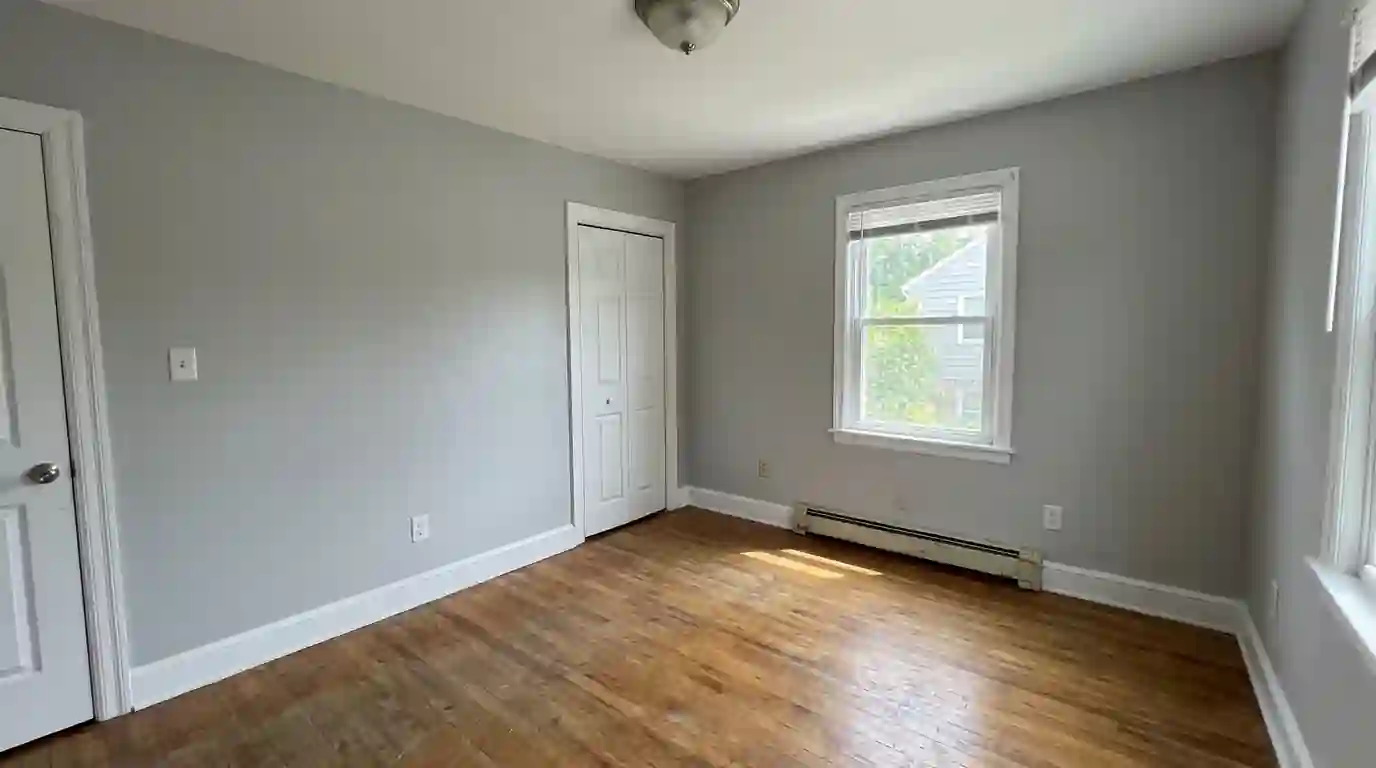
In College Park we mostly paint rental houses and apartments between tenants, plus interiors for homeowners in neighborhoods like Calvert Hills and Berwyn. For turnovers we walk the unit right after move-out, list every patch, then paint walls, trim and doors in two to four days. Owner homes get a room-by-room plan instead.
Booking around College Park's lease cycle and parking
Timing is the biggest factor on College Park jobs, so we plan around it from the first call.
- Late May and the weeks before the August move-in are the busiest stretch, so landlords with several houses should book those slots as early as spring.
- We can walk a unit before the tenant leaves to plan the work, then start the morning after the keys come back.
- Many streets near campus have resident permit parking enforced by the city, so we confirm where the van can sit before day one.
- Apartment buildings along Route 1 generally ask for proof of coverage, an elevator or loading dock booking and set work hours.
- During football weekends and graduation, traffic around campus is heavy, so we avoid those days for start-ups and deliveries.
- We answer the phone 24/7, so a landlord who finds damage at 10 p.m. on move-out day can still get the turnover on the calendar.
College Park houses: from Calvert Hills Colonials to Route 1 apartments
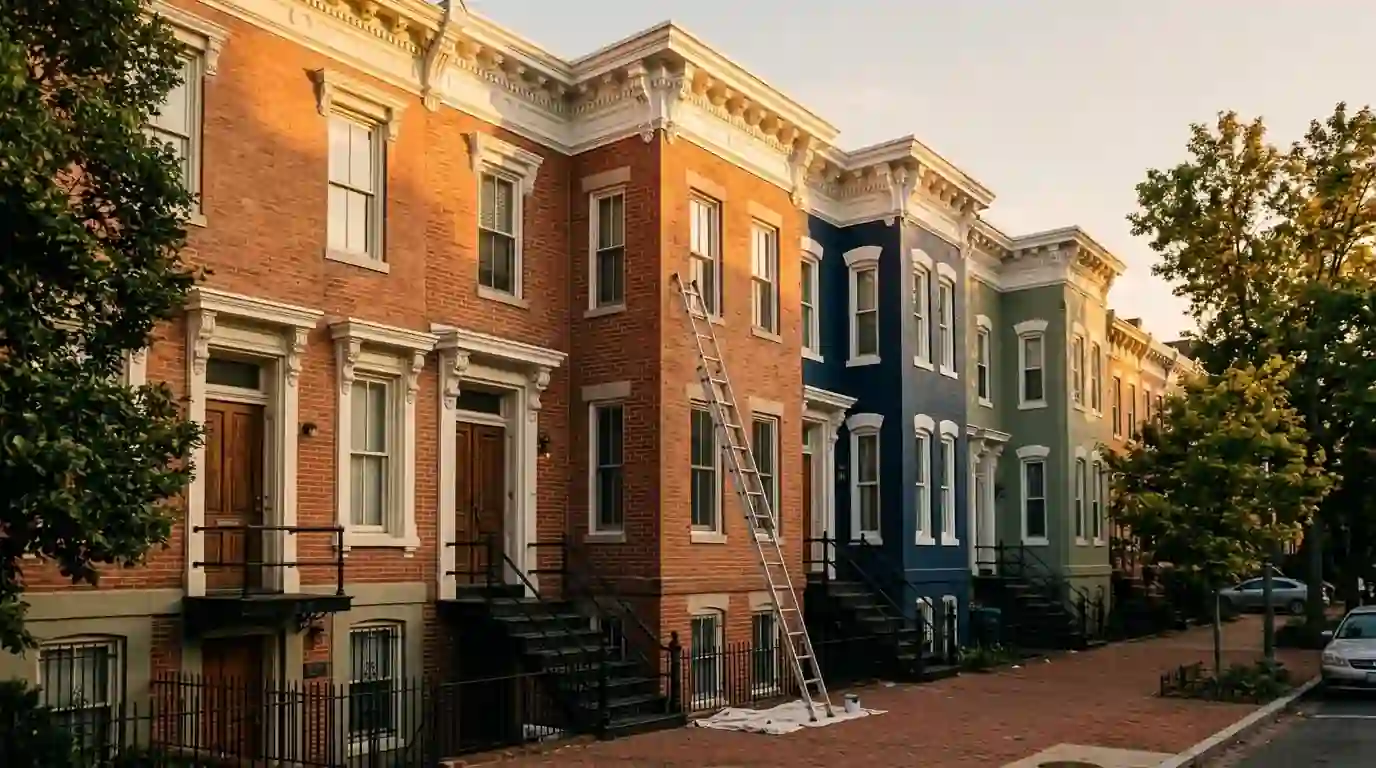
The housing in College Park splits into a few clear groups. Calvert Hills, just south of campus, has early 1900s houses, brick Colonials and some Craftsman details, with plaster in the oldest homes. Old Town, right across Route 1 from the university, is a mix of older single-family houses and houses long since converted to student rentals. Berwyn, Lakeland and Hollywood to the north add post-war Cape Cods, ramblers and split-levels, mostly drywall with painted wood trim.
Along Route 1 and near the College Park-University of Maryland Metro and Purple Line corridor, newer apartment buildings and mixed-use projects bring big runs of flat drywall, metal door frames and builder-grade flat paint. Each type wears differently. Student houses take hard daily use: chairs against walls, tape and nail holes everywhere, scuffed stairwells. Owner-occupied houses in Calvert Hills need slower, cleaner work around furniture and original trim, and many are old enough to need lead-safe painting when we scrape.
We keep these two kinds of work separate in how we price and schedule. A turnover is about speed, durable paint and a predictable cost per unit. A homeowner interior is about plaster repair, careful cutting in and colors you'll live with for years.
What tenants leave behind on College Park walls
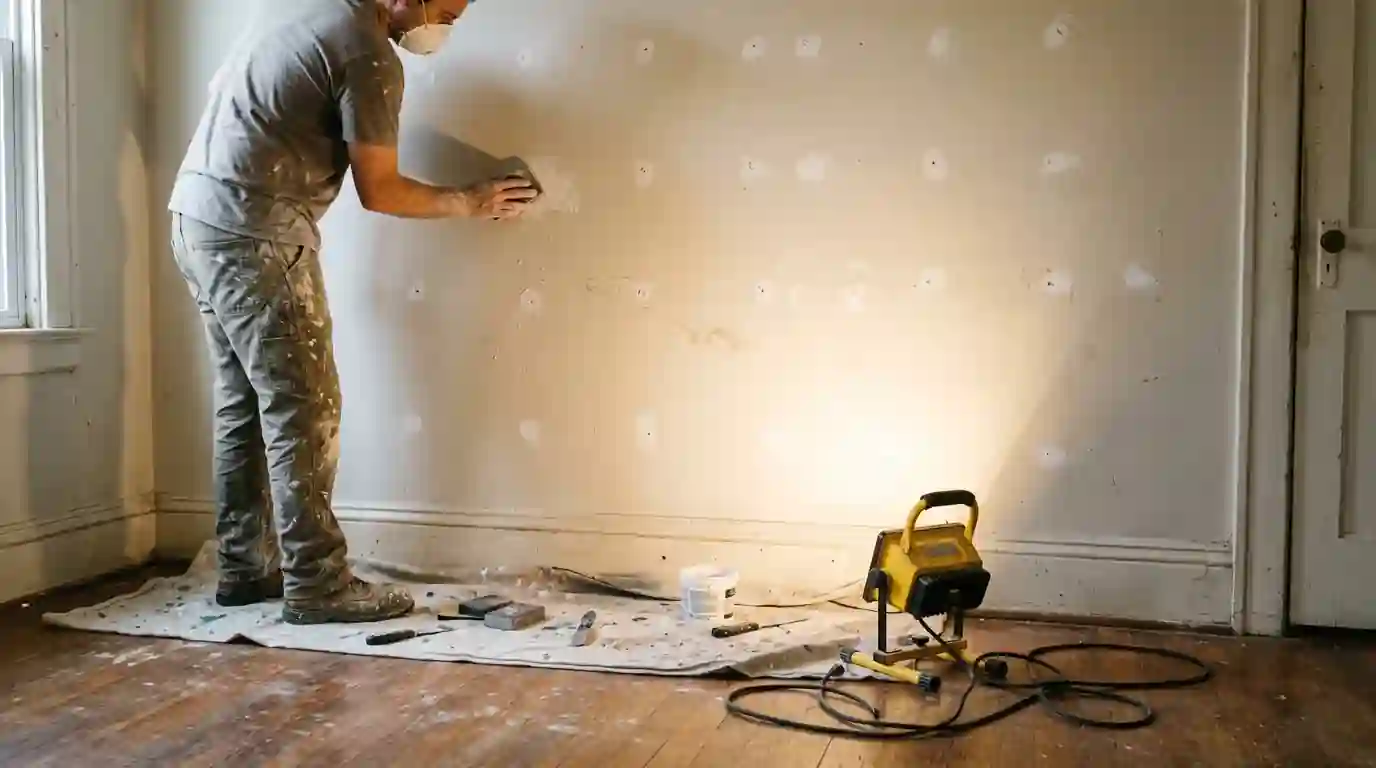
These are the repairs we price on almost every College Park move-out walkthrough.
Hundreds of small holes
Posters, tapestries, string lights and TV mounts leave nail holes and anchor craters across every bedroom. We fill and sand them in one pass so the whole wall can be rolled at once instead of spot-primed.
Tape and adhesive damage
Command strips and poster tape peel off the paint film and sometimes the drywall paper. Torn paper has to be sealed with a shellac or oil primer first, or new paint will bubble right over the tear.
Scuffed stair halls
Moving furniture up narrow stairs leaves gouges and black marks along the walls and banister. We often switch these spots to a scrubbable finish so the next move-out is easier to clean.
Kitchen grease and smoke
Heavy cooking and smoking leave a film that new paint won't stick to and stains that bleed through. We degrease, then use a stain-blocking primer before the finish coats.
Bathroom mildew
Shared bathrooms with weak exhaust fans grow mildew on ceilings. We kill it, prime with a mildew-resistant product and suggest the fan be checked so the problem doesn't return by spring.
How a College Park student rental turnover gets done between leases
This is the usual flow for a four or five bedroom rental house near campus.
- Coat 01
Move-out walkthrough
We walk every room with you or your property manager, mark holes, dings, stains and damaged doors, and agree on scope. A typical one-bedroom unit turnover runs $1,450 to $2,900, with larger houses priced room by room.
- Coat 02
Patch and prime
Day one is mostly repair: filling holes, setting tape on cracks, sealing torn paper and priming stains. Doing it all first lets the compound dry while we start ceilings and closets.
- Coat 03
Paint in a standard color
Most landlords keep one wall color and one trim color across all their units. That makes touch-ups between leases fast and keeps the cost per turnover predictable year after year.
- Coat 04
Doors and trim
Bedroom doors and frames take the most abuse, so we sand and repaint them in a hard enamel. Damaged hollow-core doors get flagged for replacement rather than painted over.
- Coat 05
Final check and keys
We walk the unit again, touch up, clean up and leave a short note with color names and sheens. That note saves time on the next turnover and on any security deposit disputes.
Choosing paint that lasts more than one school year
For student rentals, flat paint is cheap to touch up but marks easily, while a satin finish cleans well but shows patches. We usually suggest a washable matte on walls, a semi-gloss on doors and trim and a moisture-resistant finish in baths. That mix keeps the next turnover shorter. Pairing the repaint with drywall repair of the worst walls usually costs less than living with repeated spot patches.
If you own rentals in more than one town, we can schedule them back to back. Landlords with houses in Hyattsville or across Prince George's County often group their turnovers into one week so every unit is ready before move-in.
Most requested here
Rental Turnover Painting
Fast between-tenant repaints with patching and touch-up so units list again without delay.
Interior House Painting
Walls, ceilings and trim in occupied homes, with furniture moved, floors covered and rooms back in use each night.
Drywall Repair
Holes, cracks, nail pops and water-stained sections patched, textured to match and made paint ready.
Condo & Apartment Painting
Unit painting scheduled around building rules, elevator bookings and quiet hours.
Door Painting
Six-panel, flush and front entry doors painted off their hinges or in place with a smooth, brush-free finish.
Ceiling Painting
Flat ceiling finishes rolled lap-free, stain-blocked first where old leaks or smoke left marks.
Lead-Safe Painting
Containment, wet scraping and HEPA cleanup when older paint is disturbed in homes built before 1978.
Close by
ZIP codes we cover here: 20740. We also paint in these neighboring areas.
Questions from College Park homeowners
How fast can you turn over a College Park student rental in August?
A one or two bedroom unit is usually two days, and a five bedroom house with heavy patching runs three to five working days. In August the limit is calendar space, not speed, so we suggest booking your College Park rental turnover painting dates in spring and confirming the exact move-out date as soon as you have it.
Can you paint several College Park rental houses for one landlord in the same week?
Yes. We stagger the houses so patching in one dries while we paint another, which keeps the crew busy and the dates tight. Using one standard wall and trim color across all your College Park units also cuts cost and makes later touch-ups simple.
Do you paint owner-occupied homes in Calvert Hills and Berwyn too?
We do. Those jobs follow a different plan: furniture moved and covered, plaster repaired, lead-safe setup in pre-1978 homes, and rooms painted one or two at a time so the house stays livable. Bedroom walls typically run $485 to $860 for two coats.
What does a turnover cost per room in a College Park rental?
Most bedrooms fall in the $485 to $860 range for walls, with extra for ceilings, heavy patching or doors. Damage varies a lot from tenant to tenant, so we price after the move-out walkthrough. Call (771) 247-4038 as soon as you know the move-out date.